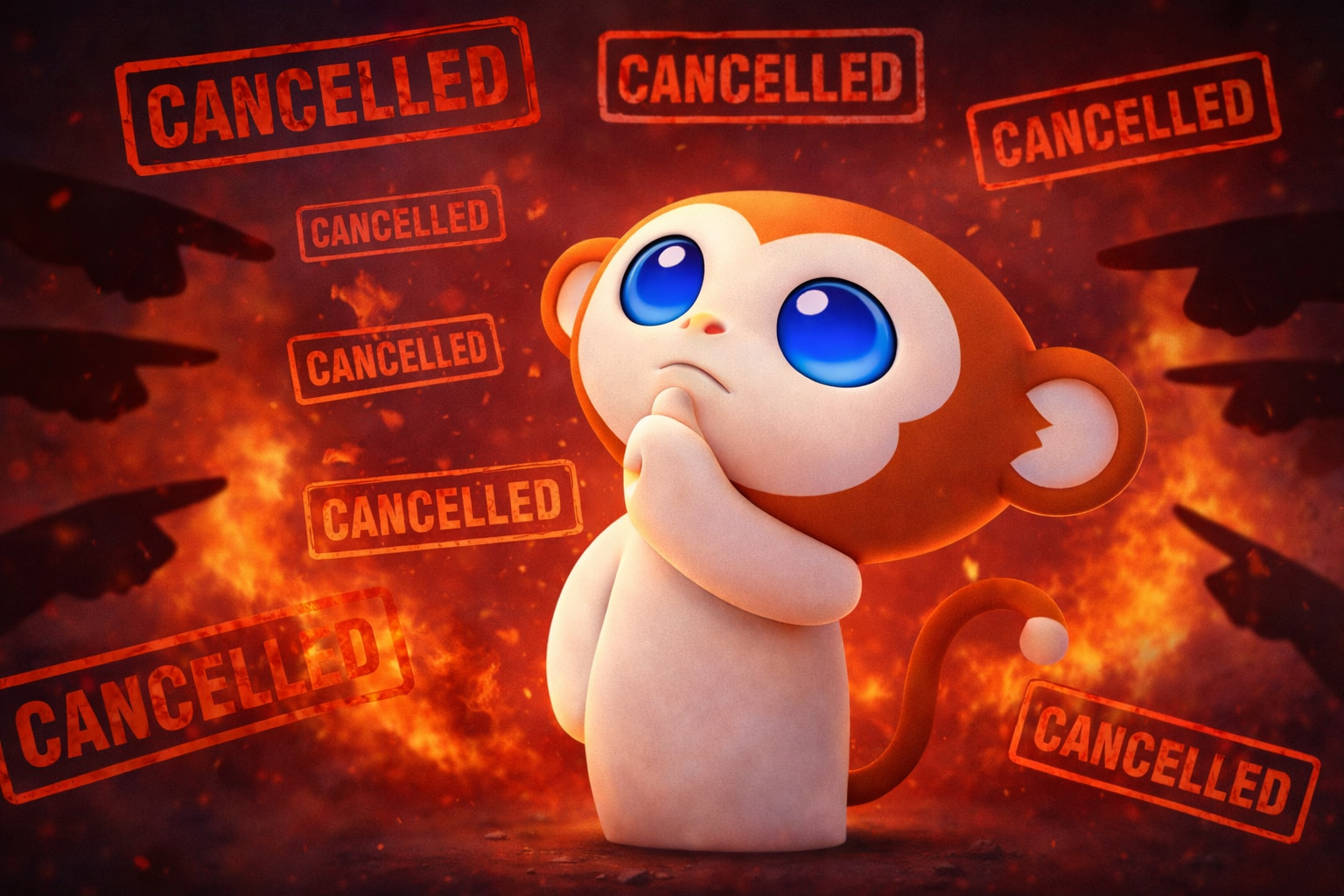
Healthy societies don’t improve by ending conversations —they improve by having better ones.
Cancel culture often:
- Skips nuance in favor of outrage
- Replaces debate with moral certainty
- Punishes without proportion
- Treats disagreement as endorsement of harm
When people fear being “canceled,” they stop engaging. And when engagement stops, learning stops .
Accountability vs. Erasure: Here’s the line many debates miss:
Accountability asks, “How do we address harm?”
Cancellation asks, “How do we remove this person?”
They’re not the same.
True accountability allows:
- Explanation
- Growth
- Change
- Redemption
Cancel culture often allows none of that.
Why Cancel Culture Feels So Powerful (and So Addictive): Outrage spreads fast. Social media rewards:
- Certainty over curiosity
- Condemnation over conversation
- Virality over truth
Calling someone out feels like action.
But real change is slower, harder—and far less flashy.
What Comes After Cancel Culture?
If cancel culture is failing us, what replaces it?
1. Debate Over Deplatforming: Instead of silencing ideas, challenge them publicly . Weak ideas don’t survive strong debate.
2. Proportion Over Permanence: Not every mistake deserves a lifetime sentence. Growth should be possible.
3. Context Over Clips: Nuance matters. A sentence is not a worldview.
4. Dialogue Over Dogma: Disagreement isn’t violence. It’s how societies think.
Why Debate Platforms Matter Here: Cancel culture thrives where discussion is shallow and unmanaged.
Debate thrives where:
- Ideas are challenged, not buried
- Moderation enforces rules—not ideology
- People can disagree without being erased
That’s how cultures evolve without tearing themselves apart.
Final Thought: Cancel culture didn’t appear out of nowhere—it grew from real demands for accountability. But when accountability turns into silence, everyone loses .
The future isn’t about canceling voices. It’s about testing ideas, confronting harm, and letting debate do what outrage can’t. So the real question isn’t whether cancel culture is good or bad. It’s this: What kind of culture do we want after it?